Bitcoin Spot ETFs: What They Mean for Crypto (and Why I’m Optimistic)
The long-awaited Bitcoin ETF has finally become a reality. Institutions are entering the market, and for many people in crypto this is one of those “we waited years for this” milestones.
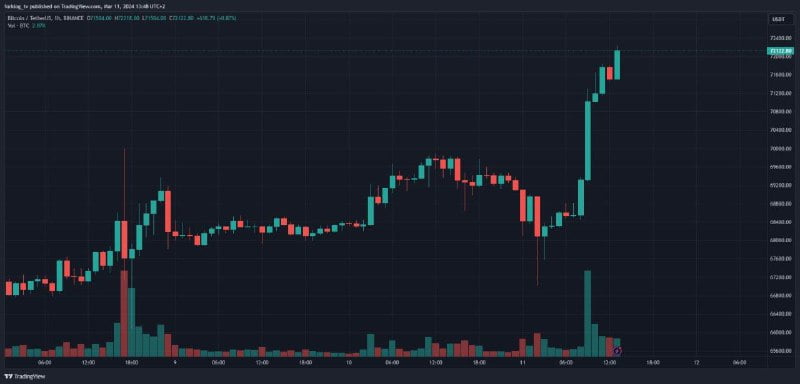
It’s been a couple of days since the launch, and the market reaction hasn’t been as explosive as a lot of traders expected. Bitcoin is hovering around $43,000, and if you were anticipating an instant vertical move, you’re probably feeling underwhelmed.
But that relatively muted price action makes sense. The market had been pricing in the possibility of an ETF for a long time. In other words, a big part of the impact came before the event—through expectations, positioning, and the “probability of approval” narrative.
Optimism vs. the Fear of "Suits"
Overall, the community sentiment is optimistic. At the same time, there’s a real camp of critics who see this as the beginning of the end for what crypto was supposed to stand for.
The argument goes like this: once investors in suits arrive—large funds, traditional financial players, heavily regulated instruments—we risk diluting or even destroying the ideals crypto enthusiasts fought for: a decentralized, permissionless, independent economic system.
I understand where that concern comes from. Crypto didn’t start as a “product line” for Wall Street. It started as an alternative.
My Take: Liquidity Helps the Industry Grow
My view is straightforward: additional liquidity is good for us.
More money flowing into the industry usually means:
- More projects get funded—and some of them will push the underlying technology forward.
- More talented specialists join the space, because serious capital attracts serious builders and long-term careers.
- More products reach real users, which increases overall crypto and blockchain adoption.
Yes, institutions will influence market structure. But crypto still offers choice. If you’re worried about centralization, you can always keep using DEXs and permissionless rails. The existence of an ETF doesn’t remove self-custody, decentralized exchanges, or Web3-native finance—it simply adds an on-ramp for a different audience.
So… Is a Bitcoin ETF Good or Bad?
I see it as a net positive for the industry—especially for long-term adoption and for the builder ecosystem. But I’m curious what you think.
Is the Bitcoin ETF good or bad for crypto?

Alex Meleshko
Entrepreneur, CEO, and builder at the intersection of blockchain, AI, and startups.
Comments
No comments yet. Be the first!