NFT Metadata Centralization: The Hidden Risk Behind “On-Chain” Ownership
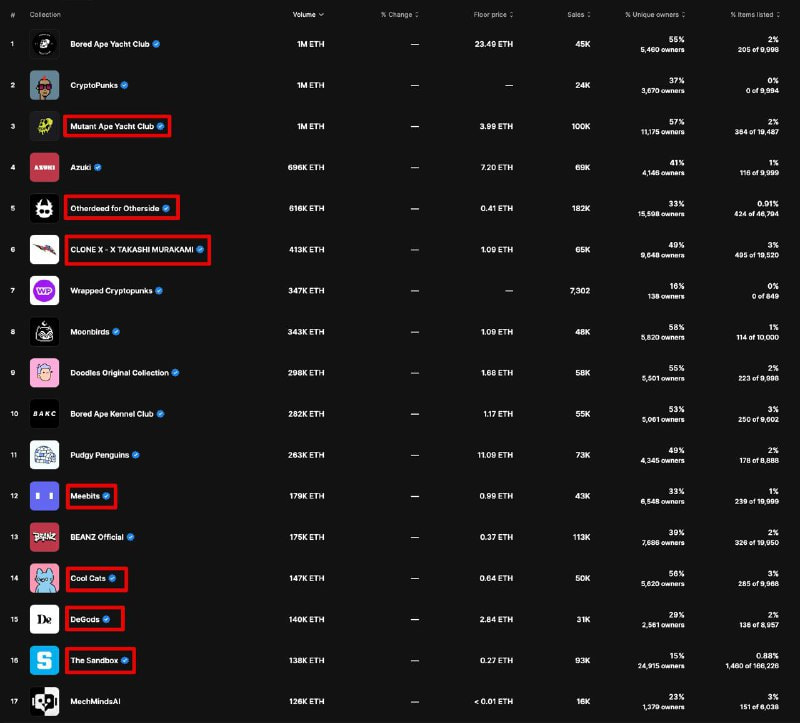
I decided to run a simple sanity check: where is the metadata stored for the top-20 NFT collections on OpenSea (all-time)?
The result was more uncomfortable than I expected. 8 out of 20 rely on centralized servers to host metadata (and, by extension, the images). These are the collections with the biggest historical sales volumes in the entire NFT market. And if this is what we see in the top tier, it’s not hard to imagine what’s happening below the top.
Millions of ETH have been spent in this market—literally billions of dollars. Yet a meaningful chunk of that value depends on infrastructure that can disappear for very ordinary reasons.
What “centralized metadata” actually means
If an NFT’s metadata is hosted on a regular server (a typical web host or cloud provider), then the information describing the NFT can be:
- Changed (intentionally or accidentally)
- Deleted
- Lost because someone forgot to renew a domain
- Unavailable because hosting wasn’t paid
You might pay hundreds of thousands of dollars for a “digital asset,” and a couple of years later you open it and see… a blank square or a 404. The blockchain will still have the token ID, the owner address, and the transaction history—but the actual media and description can be gone.
IPFS is better—but it’s not magic
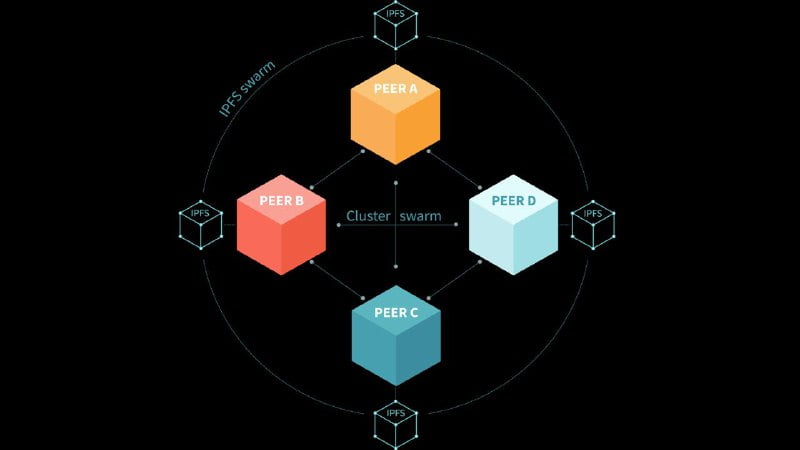
The good news: the other 12 collections in my check use IPFS, which significantly reduces this risk.
When metadata is referenced by an IPFS hash, it can’t be silently modified—changing the content changes the hash. That makes the metadata effectively tamper-evident.
However, IPFS availability still depends on the content being pinned and replicated. In practice, data disappears only if nobody cares enough to keep it—when there are no IPFS nodes left that retain (pin) the metadata hash.
My takeaway
This is a classic example of hype outpacing understanding. A lot of investors bought NFTs without really knowing what exactly they were buying and why. For many, these were purely speculative assets—with infrastructure risk ignored until it becomes a problem.
Before you buy an NFT, ask a basic question: where are the image and metadata stored? If it’s a normal URL on a centralized server, you’re not just buying an NFT—you’re buying someone else’s operational reliability.
Have you ever checked where an NFT’s image is hosted before purchasing?

Alex Meleshko
Entrepreneur, CEO, and builder at the intersection of blockchain, AI, and startups.
Comments
No comments yet. Be the first!