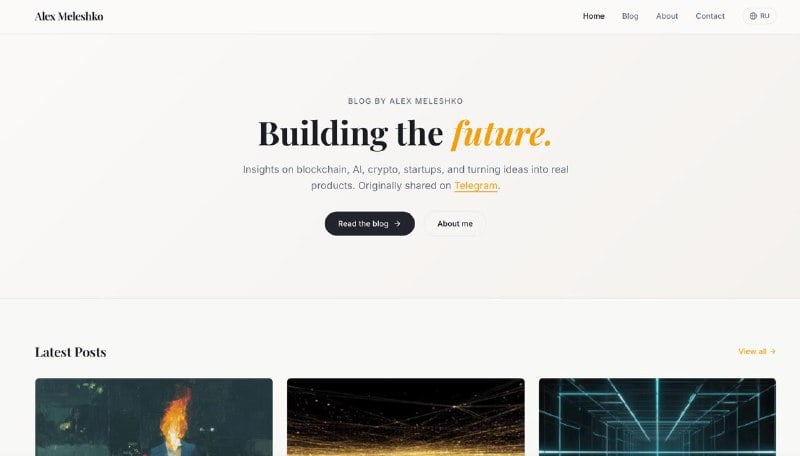
How Fear Pushed Me to Vibe-Code a Next.js Portal in 3 Hours (for $25)
Sometimes fear points you in the right direction.
Lately I’ve been feeling that familiar anxiety about how AI is going to change outsourcing and software development. Instead of theorizing (or doom-scrolling hot takes), I decided to do the most useful thing I know: test it with my own hands.
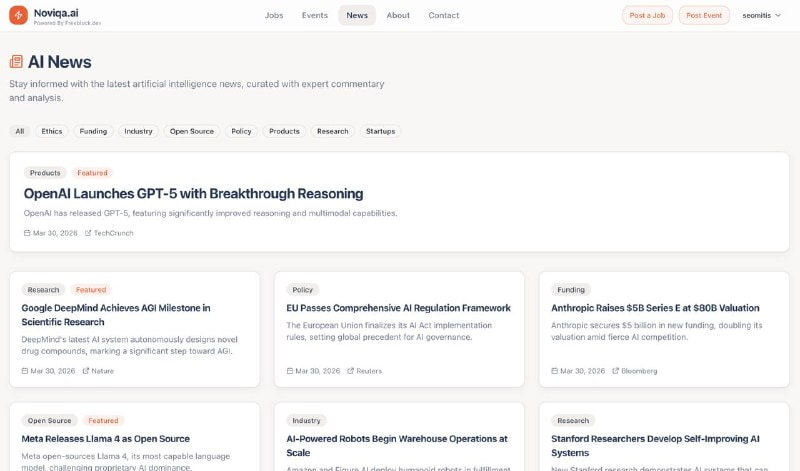
I took Lovable + Cursor and built a small test product: a portal-style web app. The goal wasn’t “ship a perfect production system.” The goal was simpler and more important: understand what these tools can do today—in real code, under real time constraints.
What I built in 3 hours
In about three hours I had a working project on Next.js with:
- Job listings
- Applications (responses to vacancies)
- User accounts / personal dashboards
- User roles
- Events
- An admin area
- An SEO structure with landing pages and meta-tag generation
Yes, without complex engineering. And yes, I’m not grading the code quality right now, because that wasn’t the point of the experiment. I wasn’t trying to build the ideal prod setup with all the long-term decisions baked in. I was trying to answer one question:
Is it already capable of building something real?
The answer: it’s capable of a lot.
Why this matters for teams, founders, and clients
A project like this used to be meaningfully more expensive and take much longer. Even if you tried to move fast with something like WordPress, you could easily disappear for weeks into plugins, workarounds, and configuration hell.
What’s changing is not just speed—it’s the starting point. You can get to a functional “it works” baseline extremely quickly, which is exactly what many products need in the early stage.
Next steps: where the rules start to change
The next iteration of my test portal is straightforward and very telling:
- Automatic data parsing (auto-ingestion)
- Relevant news around the portal’s topic
- AI-generated expert opinions
And this is where, in my view, the game actually changes.
Not every client needs a complex, fully engineered production system on day one. Many need to validate a hypothesis quickly: does the funnel work, do users want this, does the content strategy have legs, does the marketplace liquidity show up?
For that phase, what people call vibe coding is performing incredibly well right now.
The cost of the experiment
I spent around $25 on the whole experiment.
The market is already changing—and it’s changing fast.

Alex Meleshko
Entrepreneur, CEO, and builder at the intersection of blockchain, AI, and startups.
Comments
No comments yet. Be the first!