Getting Burned Online: Three Lessons on Vetting People in a Busy Month
This month was a reminder of something most of us already know—but sometimes forget when we’re overloaded: the internet makes it incredibly easy to work with great people, and just as easy to run into scammers or messy, high-friction situations.
I’m sharing three stories from the last few weeks. Not to драматизировать, but because they’re a good checklist for anyone running an IT business, hiring freelancers, or delivering client work.
1) The “SMM specialist” on Instagram who vanished after prepayment
I came across a supposed SMM manager on Instagram. I was short on time, moved too fast, and didn’t do proper due diligence. I sent an upfront payment—and that was the end of the conversation.
Looking back, the red flags were obvious:
- All posts were newer than two weeks. No real history, no long-term track record.
- 25k followers, but almost no engagement. The ratio didn’t make sense.
- They initiated contact in my comments. Not automatically a scam, but combined with everything else it should have triggered a deeper check.
It’s frustrating because it wasn’t some sophisticated scheme. I just stumbled “on flat ground” in the rush of day-to-day work.
2) A developer took prepayment and did nothing—then refunded
Earlier this month I also worked with a developer we hadn’t collaborated with before. The task was simple. They took a prepayment, didn’t start the work, and basically went silent for four weeks.
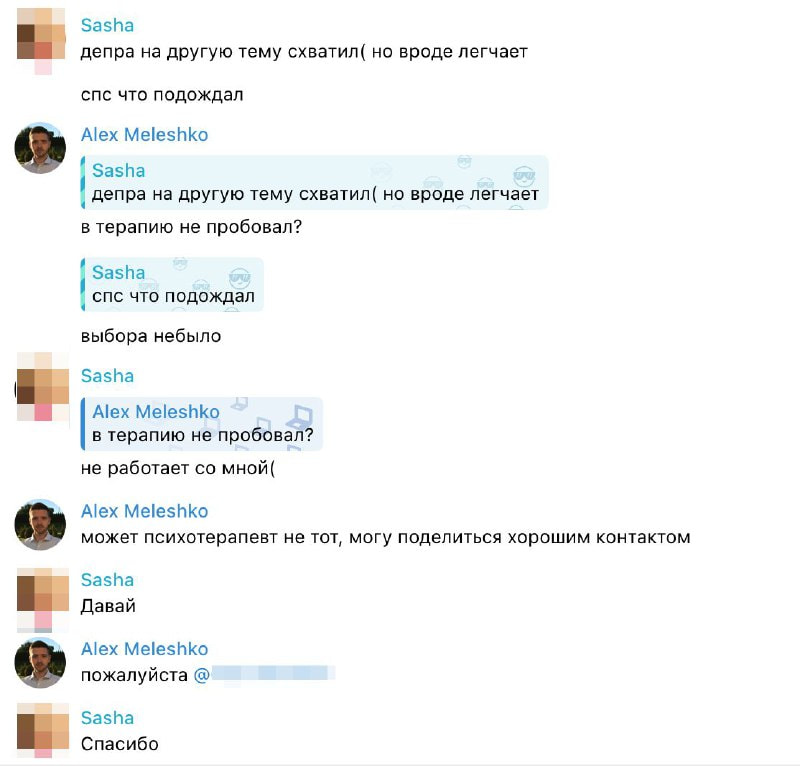
From their Git activity it was clear quickly that nothing was happening. In the end, they returned the money and said they’d been dealing with depression.
I’m glad the prepayment was refunded, but it still cost time and attention—two things that are often more expensive than money.
3) A Telegram bot project and an unpaid final payment (since November)
The hardest situation right now is with a client. We built a Telegram bot; the project price was $6,000. The final payment still hasn’t arrived—I’ve been trying to collect it since November.
And yes, it turned into a whole series.
It turned out the “client” I was dealing with was a middleman. Eventually the end customer contacted me directly and said they had paid $15,000 for the bot. According to them, the intermediary kept the money to “buy his way out” of problems with the military enlistment office and avoid mobilization.
The person who hired me isn’t planning to reimburse my loss; they push responsibility onto the intermediary. The intermediary, meanwhile, claims he’s still being taken into the army anyway.
So realistically, I’m not expecting to see that payment. And of course, without payment, the source code won’t be handed over either.
My takeaway
To be clear: yes, getting scammed or “thrown” happens. But in my experience it’s still rare. I genuinely believe most people are reasonable, and in ~95% of cases things end нормально.
Still, these stories reinforce a few practical rules:
- Slow down for 10 minutes of vetting before sending any prepayment—especially when you’re busy.
- Verify track record: engagement quality, real project history, references, Git activity.
- Use clear contracts and milestones (and don’t ship deliverables without the agreed payment).
- Watch for intermediaries: understand who the end customer is and where the money actually comes from.
I’m curious: how often have you been burned online—by developers, designers, marketers, or clients?

Alex Meleshko
Entrepreneur, CEO, and builder at the intersection of blockchain, AI, and startups.
Comments
No comments yet. Be the first!