Uniswap Scam Tokens: The Classic AMM Trap That Still Drains Wallets
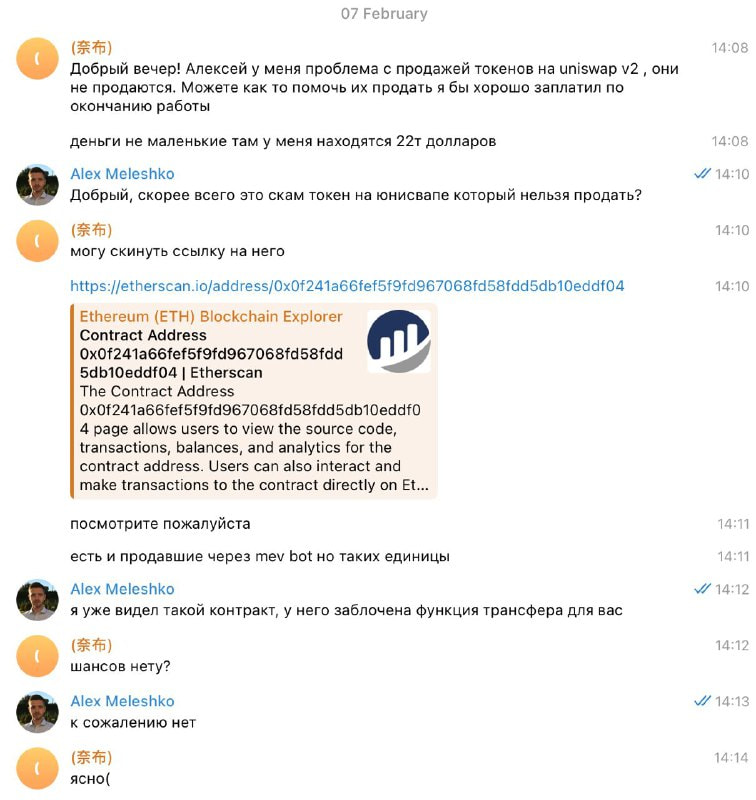
This week I’ve been getting more and more “help!” messages—three times in a single week. The pattern is the same: people are losing serious money on scam tokens while trading on Uniswap.
What’s frustrating is that this isn’t some new hack. It’s a classic scam that’s been around since the early days of AMMs. It keeps working because it preys on the most dangerous combination in crypto: permissionless listings + zero due diligence + aggressive FOMO.
How the scam works (and why it’s so effective)
Uniswap is permissionless by design. Anyone can create a token, deploy a contract, and list a pair. There is no default “token contract verification” step built into Uniswap that guarantees the token behaves like a normal ERC-20.
Scammers exploit this by deploying a token contract where standard methods don’t behave in a standard way. The most common example is transfer (or logic inside transferFrom):
- When you buy the token, the transfer succeeds—so everything looks normal.
- When you try to sell, the transfer fails due to extra checks (for example, only specific addresses are allowed to transfer to the pair, or selling is blocked entirely).
The result is brutal: liquidity appears to exist, the chart looks alive, trades show up… but you can’t exit. The pool is there, but your tokens are effectively trapped.
“But DEXTools shows liquidity and sales…”
That’s exactly why people fall for it.
The token page can look great: liquidity, volume, price action, even transactions that look like sells. A victim checks DEXTools, sees what seems like healthy activity, and assumes it’s safe.
What surprised me most: almost every case I’ve seen recently involved a large amount. People aren’t testing with $50—they’re going in “all-in,” often $20,000+ at once.
Yes, I joke that it would be better to spend that money on professional blockchain development with us—but the real issue is psychological. The promise of quick “x’s” clouds judgment. Hard FOMO wins.
Where people are finding these tokens
I ran a quick informal poll: “How did you check the token? Where did you hear about it?”
The answer was consistent: Telegram channels. Aggressive posts promising the desired “multipliers,” with little to no research from the buyer. People trust anonymous channel authors and skip basic verification.
What I check before buying a new token on a DEX
If you’re buying newly launched tokens on a DEX, treat it like hostile territory. Here’s a simple checklist that can save you from the most common traps:
1) Check CoinMarketCap—carefully
- Is the token actually listed on CoinMarketCap?
- Is it verified?
- What other exchanges list it?
One common mistake: people confuse a token’s official page with an automatically pulled Uniswap pair page. Remember: anyone can create a pair.
2) Look for a real smart contract audit
In an ideal world, the project has a reputable audit (for example, CertiK, Hashlock, Hacken). An audit isn’t a guarantee, but “no audit + brand-new token + heavy shilling” is a dangerous combo.
3) Do a tiny buy-and-sell test
Before you commit meaningful size, do a test trade with a small amount. Buy, then sell. If selling is blocked (or only works under weird conditions), you’ll find out early.
4) Read the DEX warnings
Some DEX interfaces display warnings—like potential sell restrictions. Many people ignore these banners, but they exist for a reason.
Have you run into DEX scams?
I’m curious: have you personally encountered scam tokens on Uniswap or other DEXs? If so, what was the pattern—and where did you first hear about the token?

Alex Meleshko
Entrepreneur, CEO, and builder at the intersection of blockchain, AI, and startups.
Comments
No comments yet. Be the first!