I've been actively using Astra GPT for about a week now, and my impressions are overwhelmingly positive. In this blog, I want to share how AI is transforming everyday tasks and what this means for the future of automation.
Launching a YouTube Channel with AI
This week, I launched a YouTube channel for our company. It's still in the early stages with initial drafts, videos, and editing. Of course, it's far from perfect, but it's significantly better than having nothing at all. Content is starting to roll out, the channel is coming to life, and the reach is gradually increasing.
Routine Tasks Under AI Control
The number of tasks I delegate to Astra continues to grow. Every day, I hit the limits even on the highest subscription available for purchase. And this isn't just about programming. Routine tasks that were either assigned to a person or left undone are now managed by AI:
- Reviewing statistics
- Exploring new topics
- Checking advertising campaigns
- Analyzing website performance
- Gathering competitor information
- Engaging in marketing
I'm noticing that more and more of this routine work is being handed over to Astra.
AI-Powered Computer Management
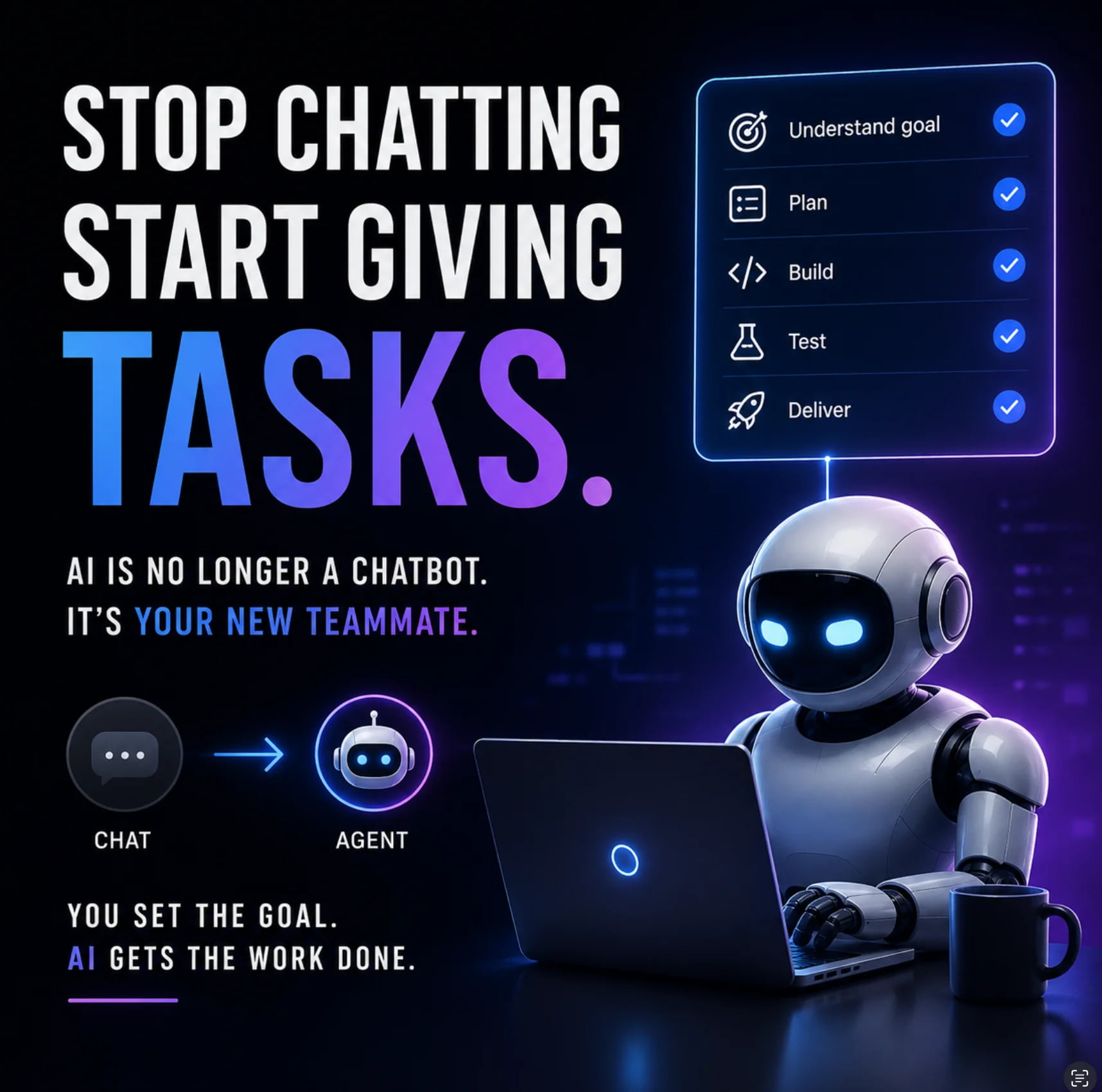
The most intriguing aspect for me right now is computer management. AI is already opening websites, clicking buttons, and interacting with interfaces. This truly transforms working at a computer. I used to constantly think about how to automate processes and build systems and pipelines. Now, a new question arises: is it even necessary to develop all this?
The Economics of Automation
The entire economics now hinge not so much on technical capabilities but on tokens. If an action needs to be done once, it's easier to let AI handle it. If it needs to be done hundreds of times daily, it might be cheaper to write a program. This leads to a new logic of automation:
- Assign the task to a person
- Delegate the task to Astra
- Do it yourself
- Write an automation
The main question used to be: "Can this be automated?" Now the question is: "How can this be automated more cost-effectively?"
Insights on Working with AI
The more I try to explain to AI HOW exactly to do a task, the worse the result. This is particularly evident with creating Shorts. Initially, I tasked Astra with making a video, then started adding requirements and rules. In the end, with each new requirement, the result worsened. It turned out that for such agents, it's more effective to explain the GOAL and give minimal constraints, allowing them to decide how to achieve it.
If a strict and repeatable process is needed, it might be better not to try explaining 150 rules to AI but to simply write a program. This is one of the main takeaways of the week: AI can perform a lot of work independently, but we need to learn where to give it freedom, where to write code, where to use automation, and where to assign the task to a human.
Conclusion
The only real limitation I face with Astra is the token limits. Every week, I run out of tokens and wait for the next limit reset. I'm already considering that it might be cheaper to pay for two accounts than to constantly purchase additional tokens. Overall, working at the computer is truly beginning to transform. We haven't started working less, but now we manage to do things we previously couldn't get around to.

Alex Meleshko
Entrepreneur, CEO, and builder at the intersection of blockchain, AI, and startups.
Comments
No comments yet. Be the first!