Crypto
Beware of a Scam Clone Impersonating My Team
There’s a long-standing scam account/channel impersonating my development brand. Here’s how it works and how to protect yourself before you pay anyone.
·1 min read
8 posts
There’s a long-standing scam account/channel impersonating my development brand. Here’s how it works and how to protect yourself before you pay anyone.
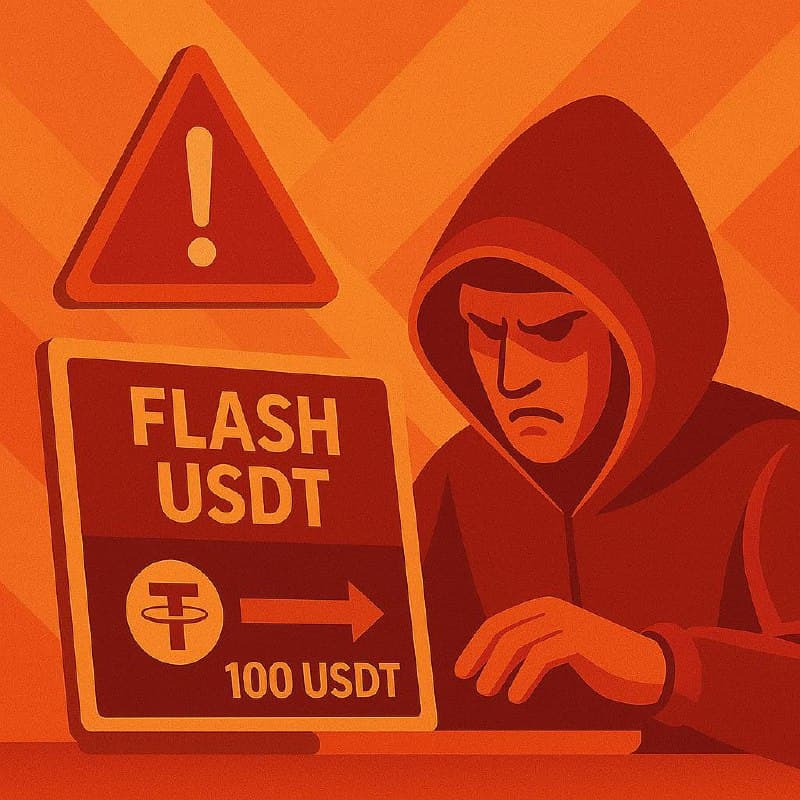
Over the past year I’ve received more than 10 requests to build a so‑called “Flash USDT” smart contract. It’s not a product idea—it’s a fraud pattern, and here’s how it works.
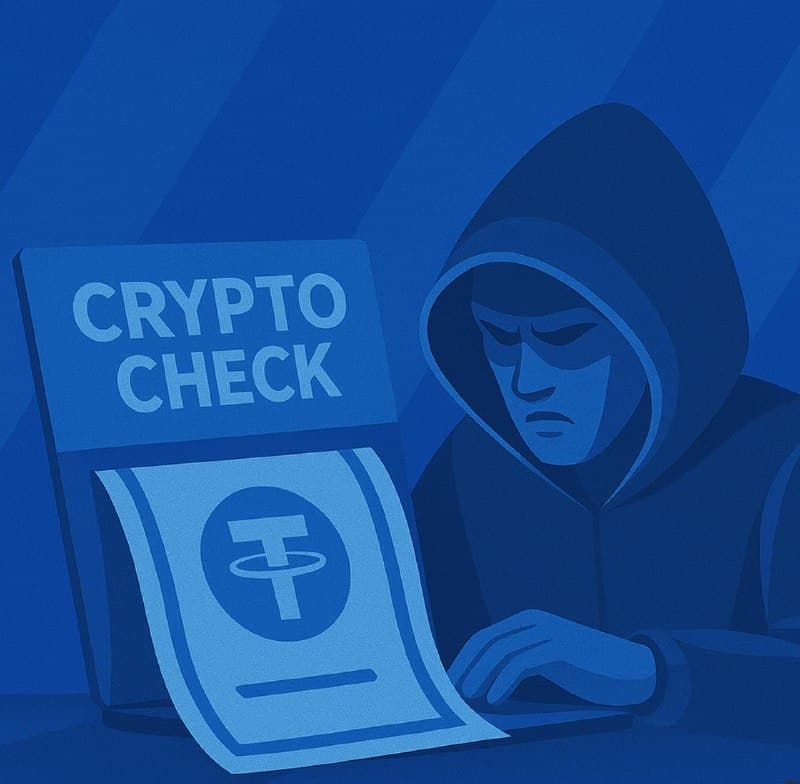
A scammer posed as a potential client, faked an AML block on Binance, and tried to push me to a “cash-out check” site designed to drain my wallet. Here’s how the script works—and how to avoid it.
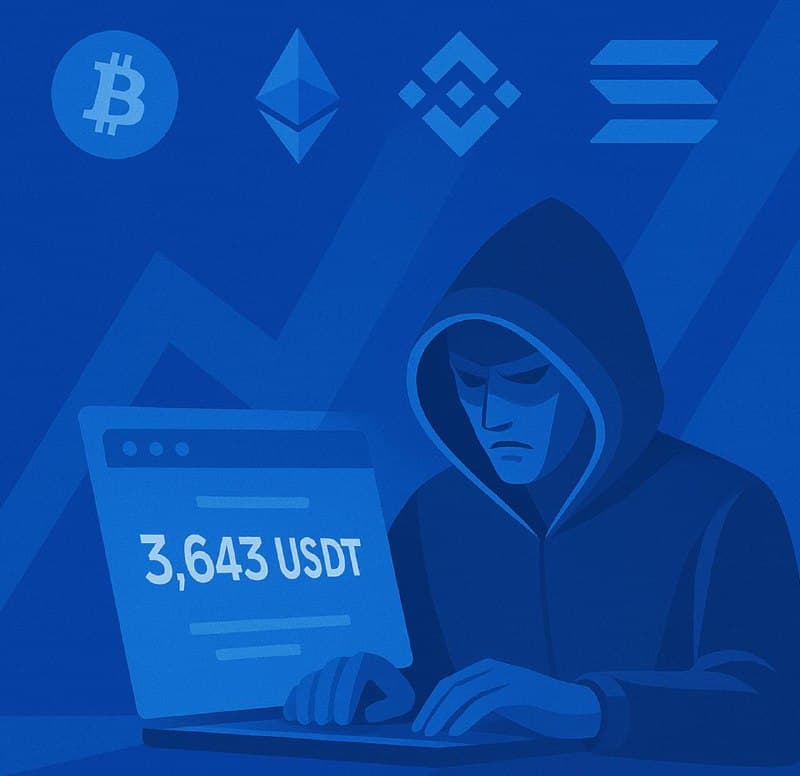
A “client” offered a 50% prepayment, sent a screenshot showing 3,643 USDT, and hoped I’d refund the “extra.” The wallet showed the truth: $3.64.
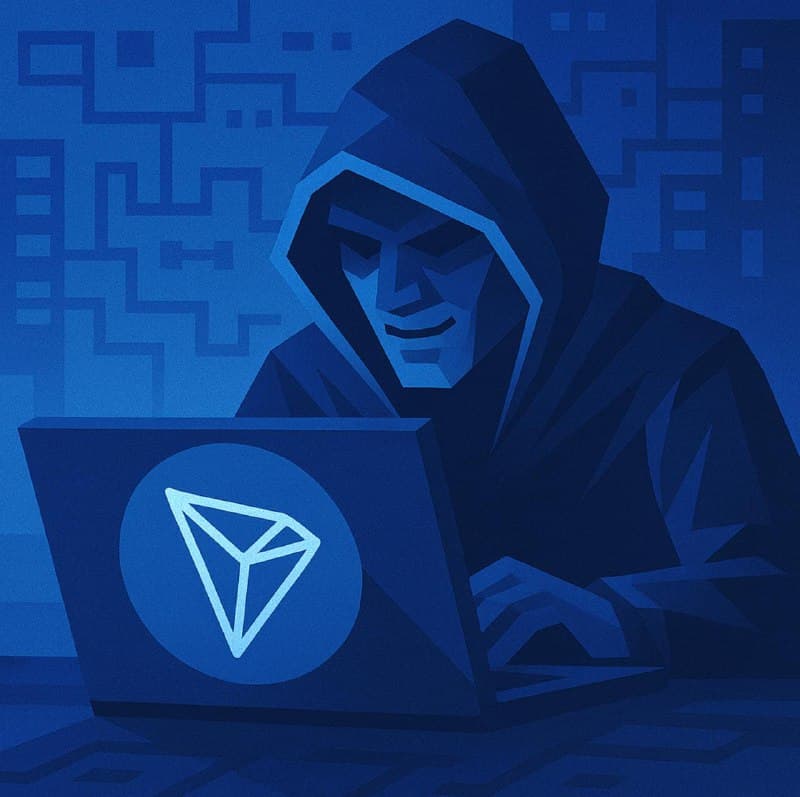
A potential client asked us to build a TRON wallet management system. The deeper we reviewed the spec, the clearer it became: it looked like an address-poisoning scam pipeline—so we walked away.
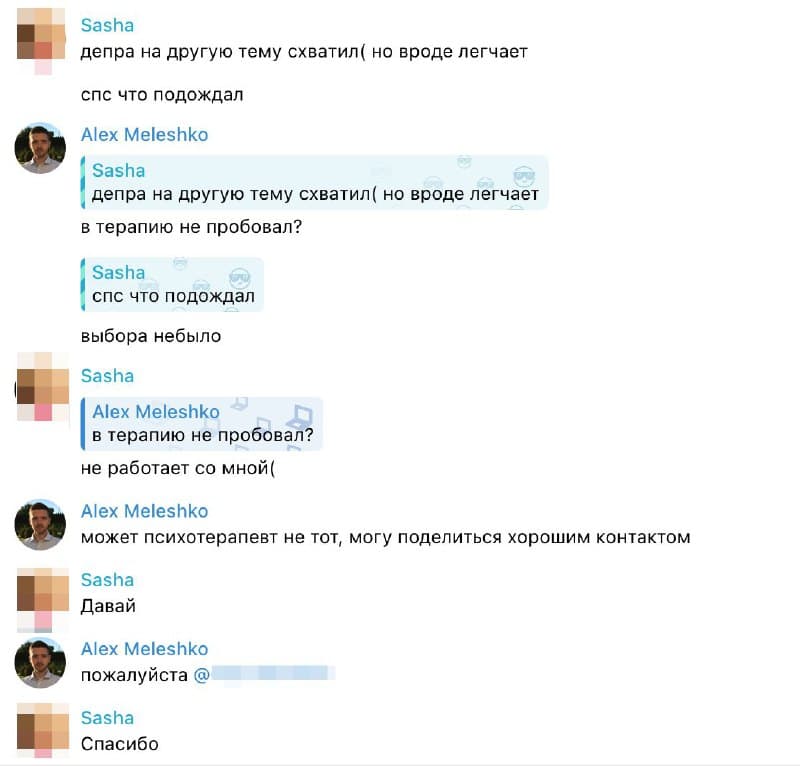
This month I ran into three different “almost avoidable” situations—an Instagram SMM scam, a developer who disappeared after a prepayment, and a client dispute over an unpaid final invoice. Here’s what happened and what I’m taking away from it.
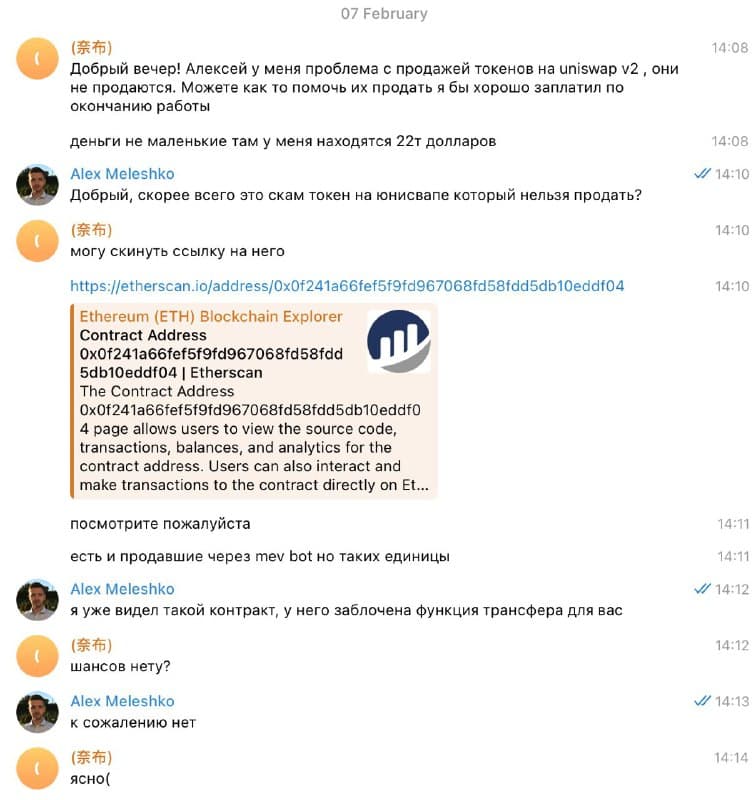
This week alone I’ve had multiple people reach out after losing serious money trading scam tokens on Uniswap. The trick is old, but it still works—because it exploits how permissionless AMMs really are.
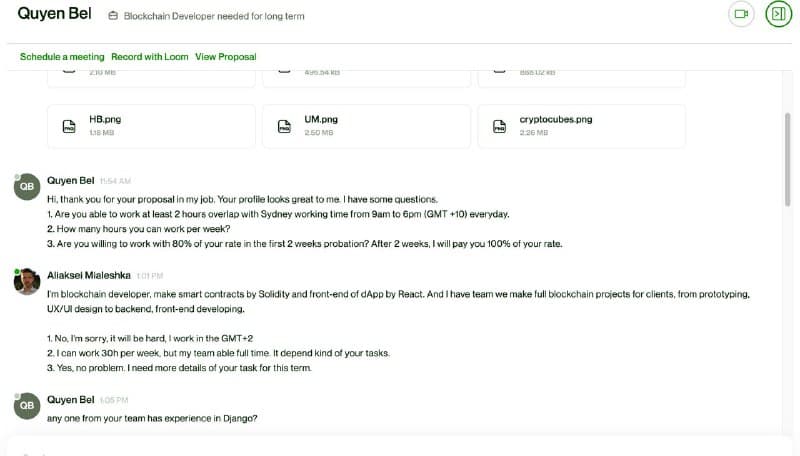
As I started growing my Upwork profile for blockchain development, I ran into an unexpected time sink: fake jobs designed to trick you into running malware. Here are the patterns I’ve seen and how to protect yourself (without burning your Connects).