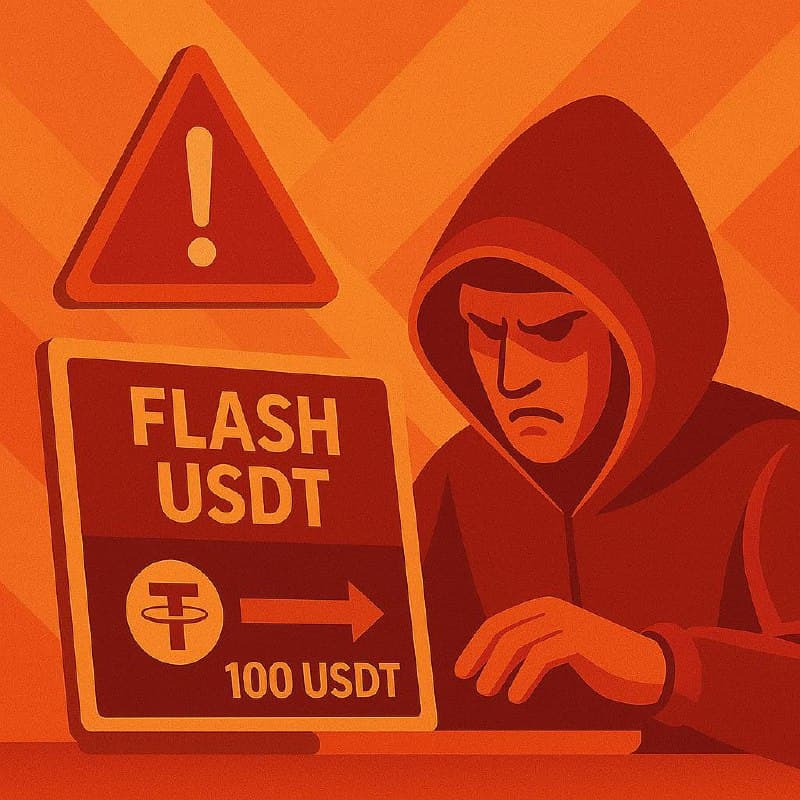
Flash USDT Is a Scam Developers Still Get Asked to Build
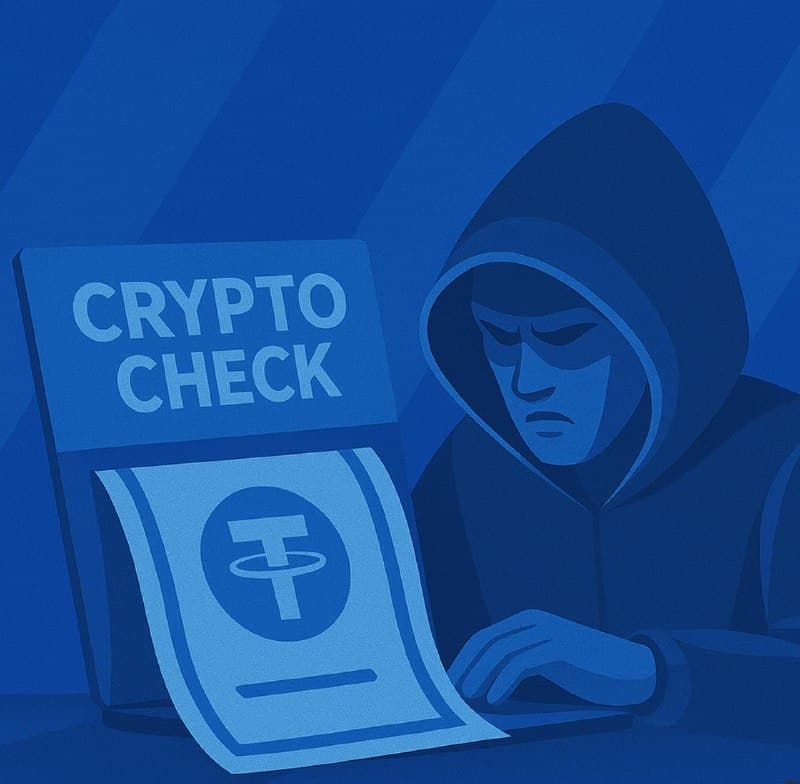
Over the past year I’ve received more than 10 requests to build a so‑called “Flash USDT” smart contract. It’s not a product idea—it’s a fraud pattern, and here’s how it works.
22 posts

Over the past year I’ve received more than 10 requests to build a so‑called “Flash USDT” smart contract. It’s not a product idea—it’s a fraud pattern, and here’s how it works.

A scammer posed as a potential client, faked an AML block on Binance, and tried to push me to a “cash-out check” site designed to drain my wallet. Here’s how the script works—and how to avoid it.

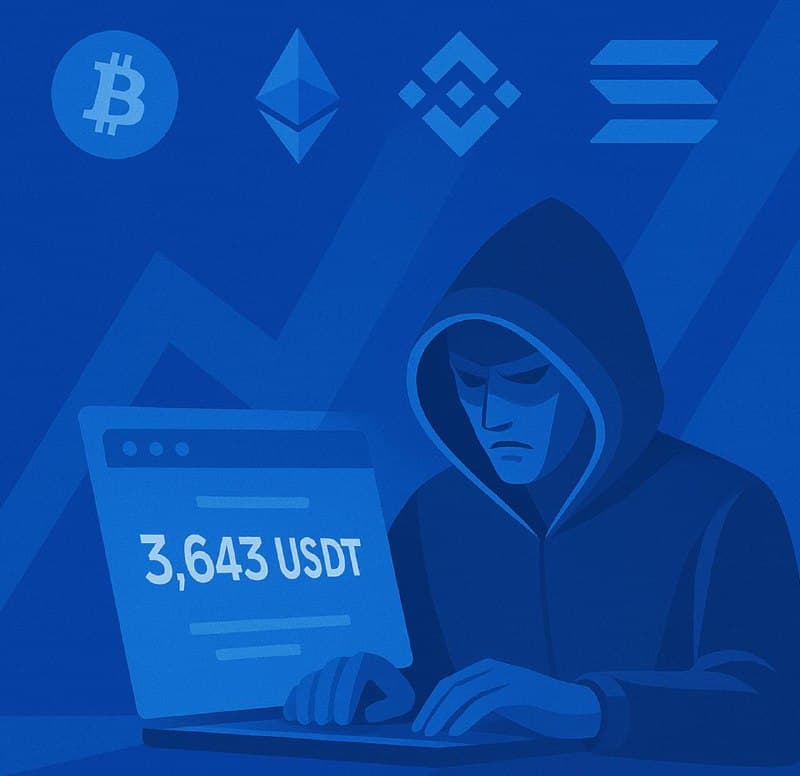
A “client” offered a 50% prepayment, sent a screenshot showing 3,643 USDT, and hoped I’d refund the “extra.” The wallet showed the truth: $3.64.

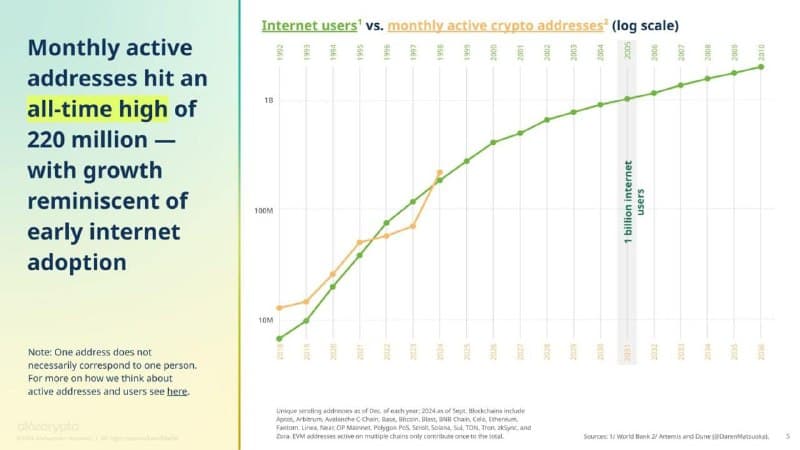
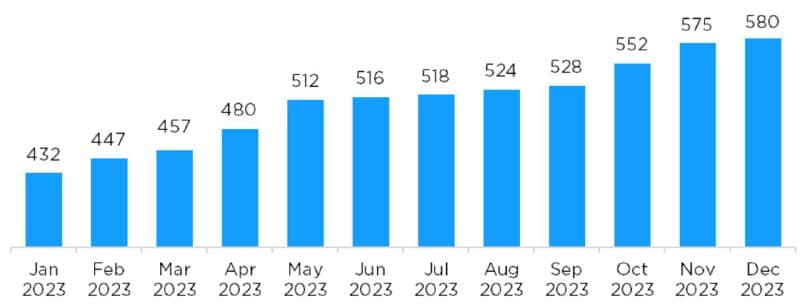
a16z Crypto estimates 617 million people have used crypto, yet the number of truly active users is likely far smaller. The gap between headline adoption and everyday utility says a lot about where we are in the cycle—and how early this still is.

I’m inviting you to subscribe to the freeblock.dev Telegram channel—where we share crypto market updates, team news, and real project cases from our work.

I’ve been pushing to win more English-speaking crypto clients on Upwork, and occasionally you run into listings that are less “startup” and more “red flag collection.” Here’s one that asked for a $5 job, no prepayment, plus a test task—because, of course, it’s “revolutionary.”

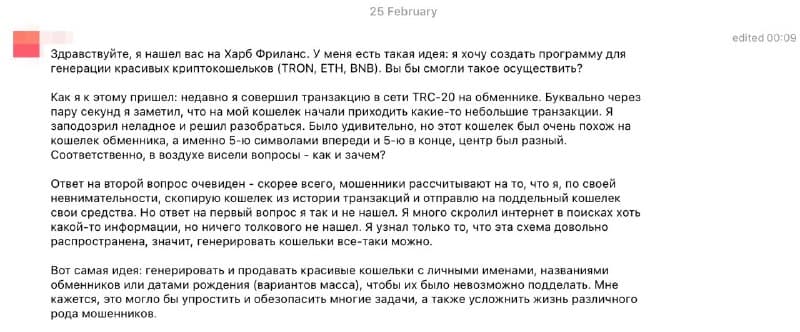
A client recently asked about selling “beautiful” Ethereum addresses that start with a recognizable pattern. Here’s how vanity addresses are generated, why it can take a long time, and why I believe the business model clashes with basic blockchain security principles.

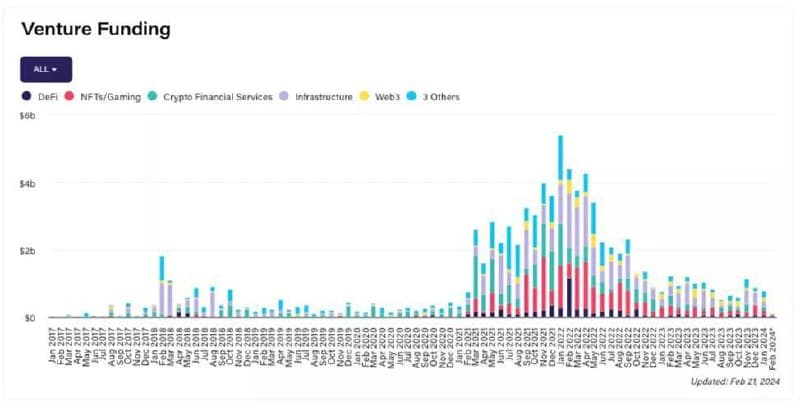
Since 2017, crypto and blockchain companies have raised over $90B from venture investors. Here’s what the 2021–2022 hype cycle taught us—and what I’m watching for next.

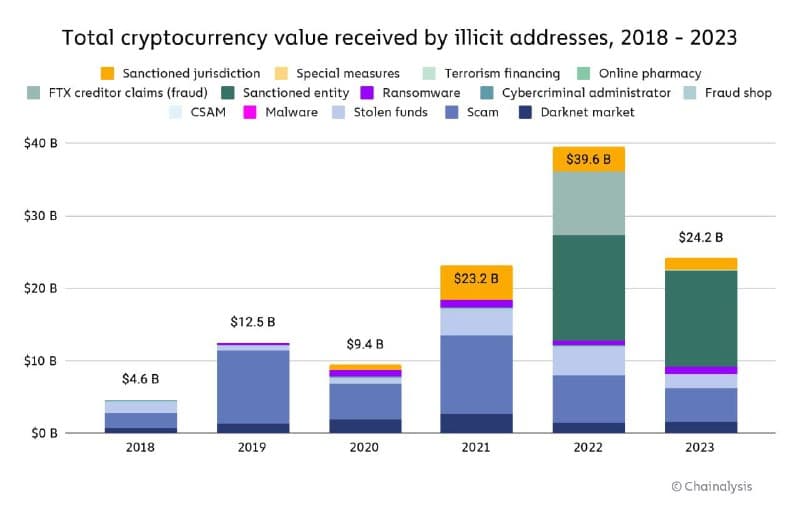
Chainalysis reports a notable drop in illicit crypto revenues in 2023, with scam and hack proceeds down sharply year over year. The trend is encouraging—but the way we interpret the numbers matters.

Crypto adoption keeps climbing, but most liquidity is still driven by investors chasing returns. I’m looking forward to the next phase: Web3 products that improve everyday life, not just portfolios.
Today I received one of the most unexpected client requests: a small Orthodox parish in rural Ukraine exploring NFTs to help fund a church renovation. It’s not “charity,” but it is a fascinating Web3 use case.

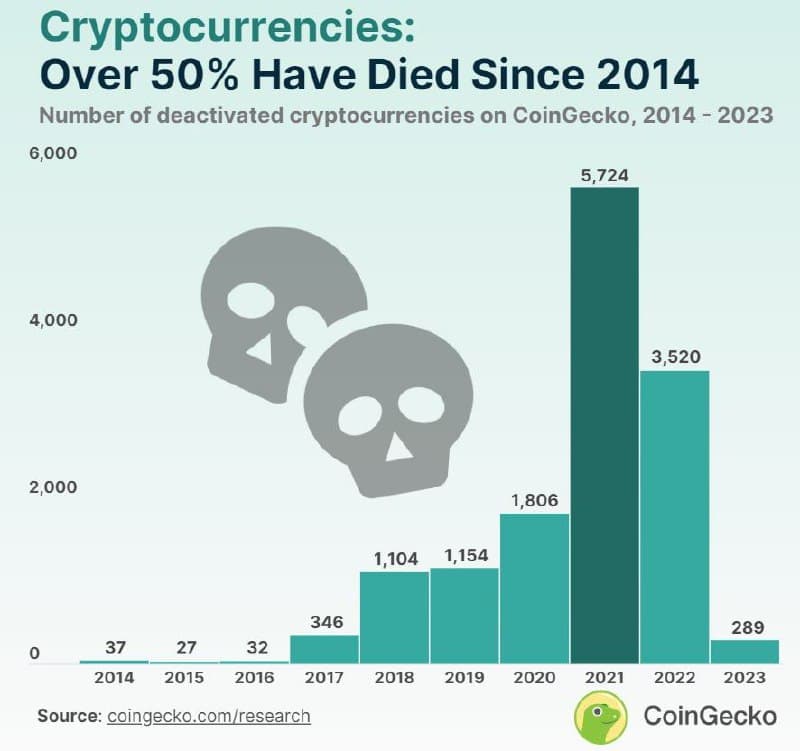
CoinGecko data shows that over 14,000 crypto projects have shut down since 2014, with 2021-era launches hit the hardest. Here’s what that tells us about survival rates in blockchain startups—and why timing matters.